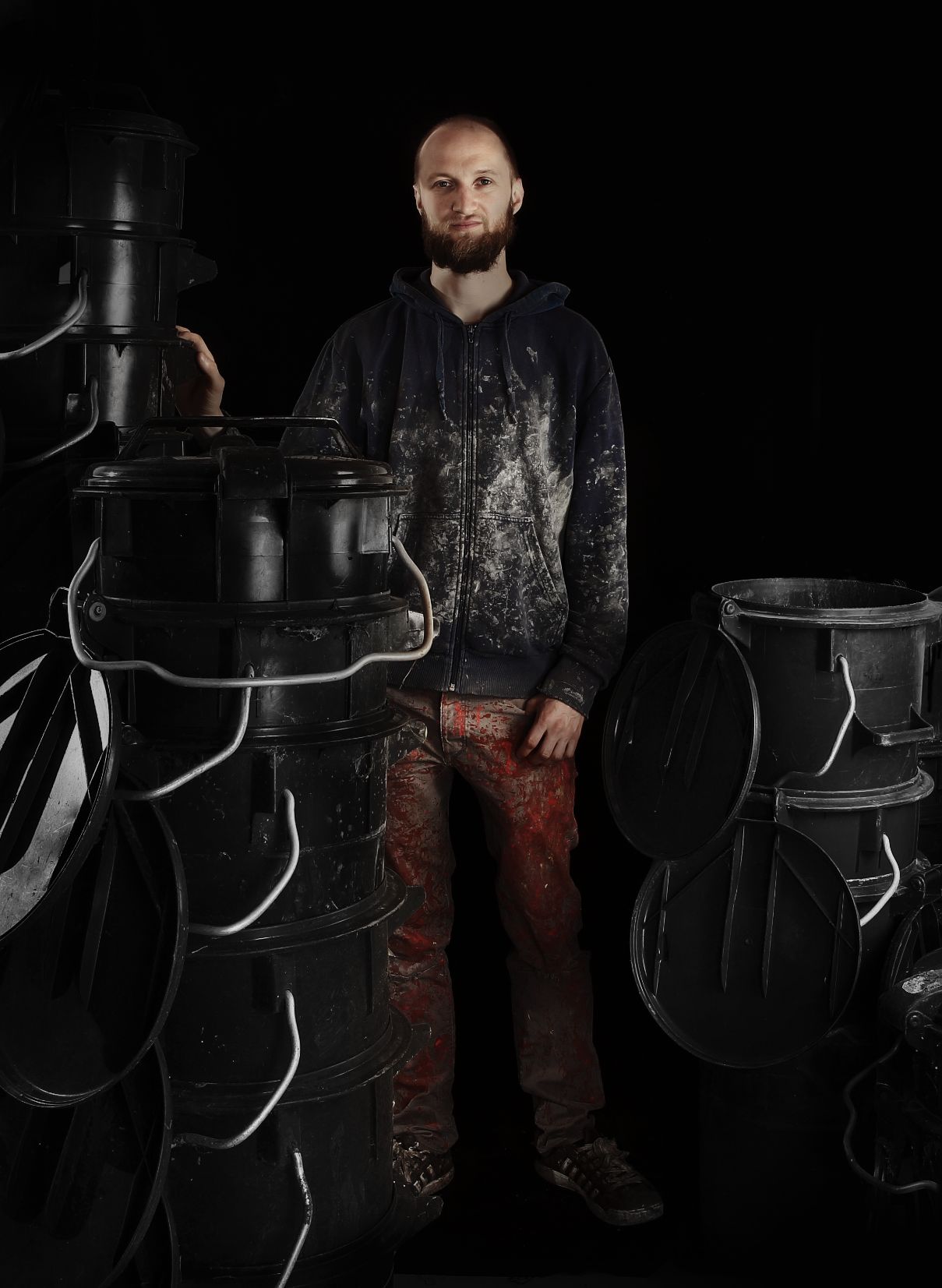
Christoph Mügge
Residenskonstnär
Plats: Grönaateljén, BKN
Datum: 17 september – 17 oktober
Christoph Mügge was born in Bonn, Germany in 1983 and studied at the Düsseldorf Art Academy. He has exhibited at The Koppel Project (London, UK), Begehungen (Chemnitz, DE), Kluckyland (Vienna, AT), Croxhapox (Ghent, BE), Kunstmuseum Gelsenkirchen (DE), Kunsthaus Rhenania (Cologne, DE), Kunstverein Bochumer Kulturrat (Bochum, DE), the 6th Höhler Biennale (Gera, DE), Concordia (Enschede, NL), Bolivar Art Gallery (Lexington, KY, USA), Galleri GRO (Jakobstad, FI), Hilbert Raum (Berlin, DE), Kristianstad Konsthall, OK Corral (Copenhagen, DK), Supermarket Stockholm – Independent Art Fair, Verkstad konsthall (Norrköping), ID:I Galleri (Stockholm), DAS ESSZIMMER – Raum für Kunst+ (Bonn, DE), Steneby konsthall (Dals Långed), Södertälje konsthall, Husby konsthall, and Vestfold Kunstsenter (Tønsberg, NO). He has been awarded the one‑year working grant from the Swedish Arts Grants Committee, the Herman Österlund Artist Grant, and IASPIS, international cultural exchange. He has also held residency fellowships at Aabenraa Artweek (Aabenraa, DK), isdaT beaux‑arts (Toulouse, FR), Antonie‑Leins‑Künstlerhaus (Horb a. N., DE), ARE (Enschede, NL), Schlossbergstipendium (Böblingen, DE), Serlachius Residency (Mänttä, FI), Platform (Vaasa, FI), UK School of Art and Visual Studies (Lexington, KY), Heinrich Böll Cottage (Achill Island, IE), AiR Jakobstad (FI), arTwins in Open Spaces (Pafos, CY), Est‑Nord‑Est (Saint‑Jean‑Port‑Joli, QC, CA), Ifö Center (Bromölla), Roja Art Lab (Roja, LV), and Begehungen (Chemnitz, DE). Christoph Mügge lives and works in Malmö.
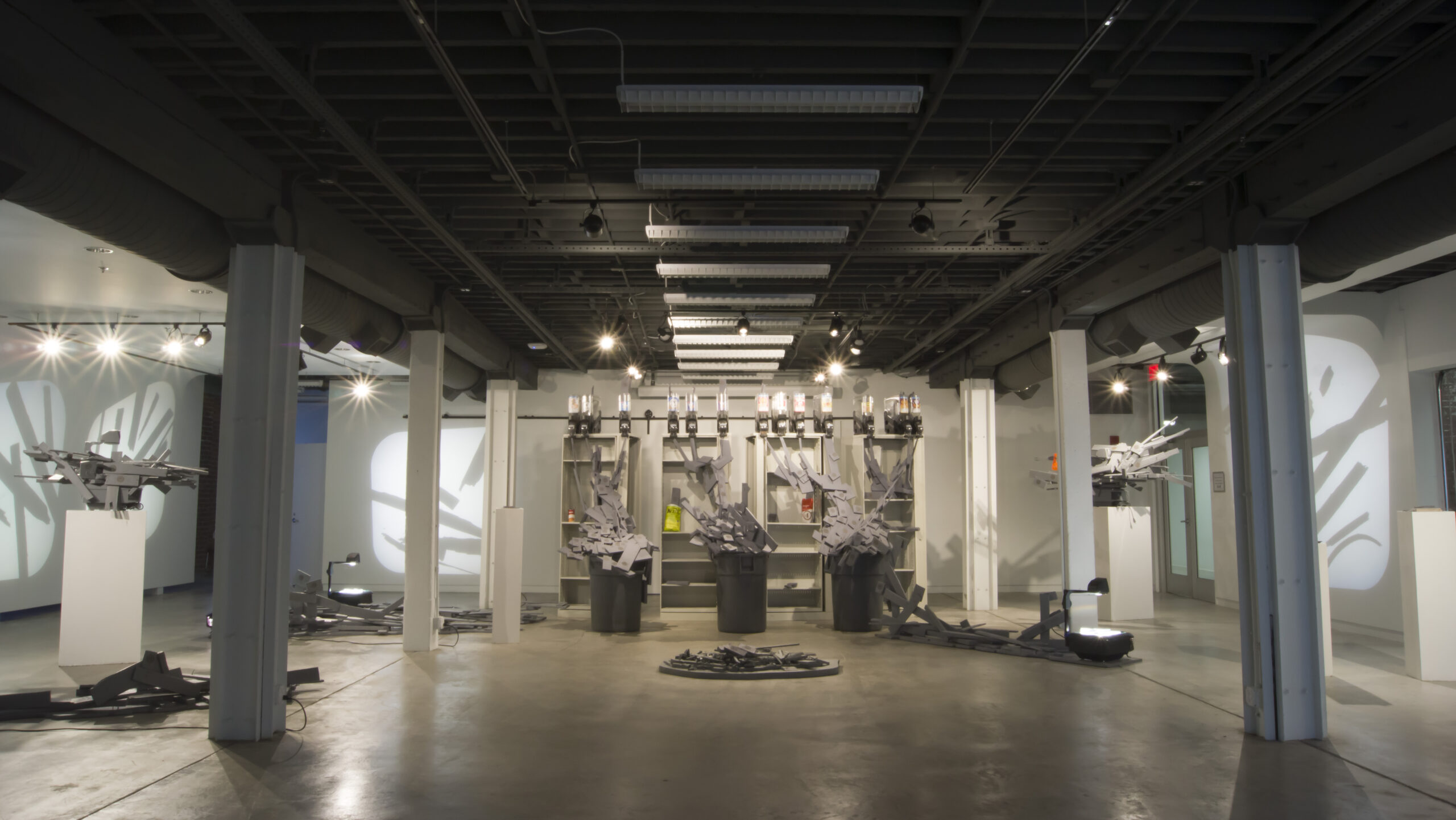
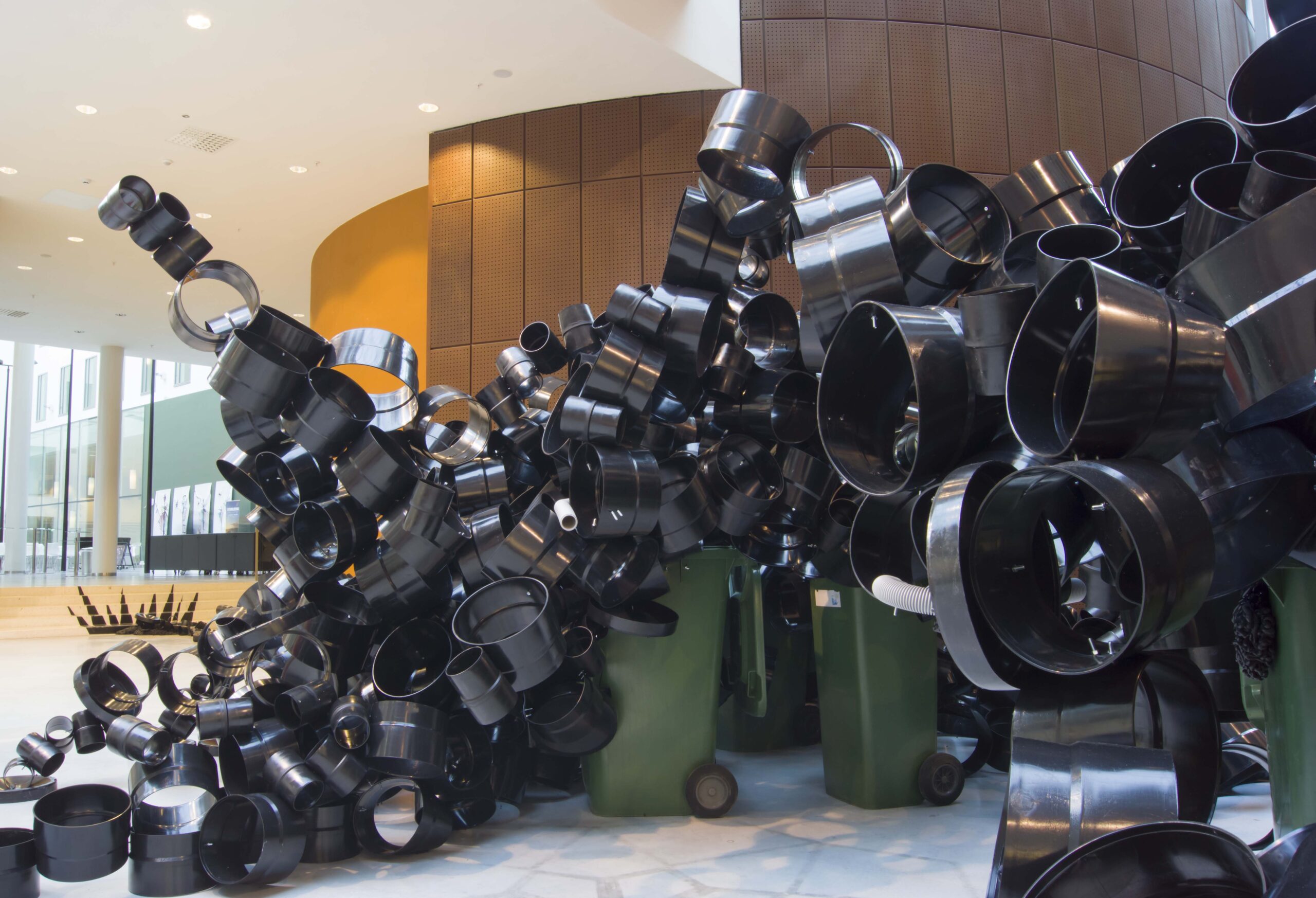
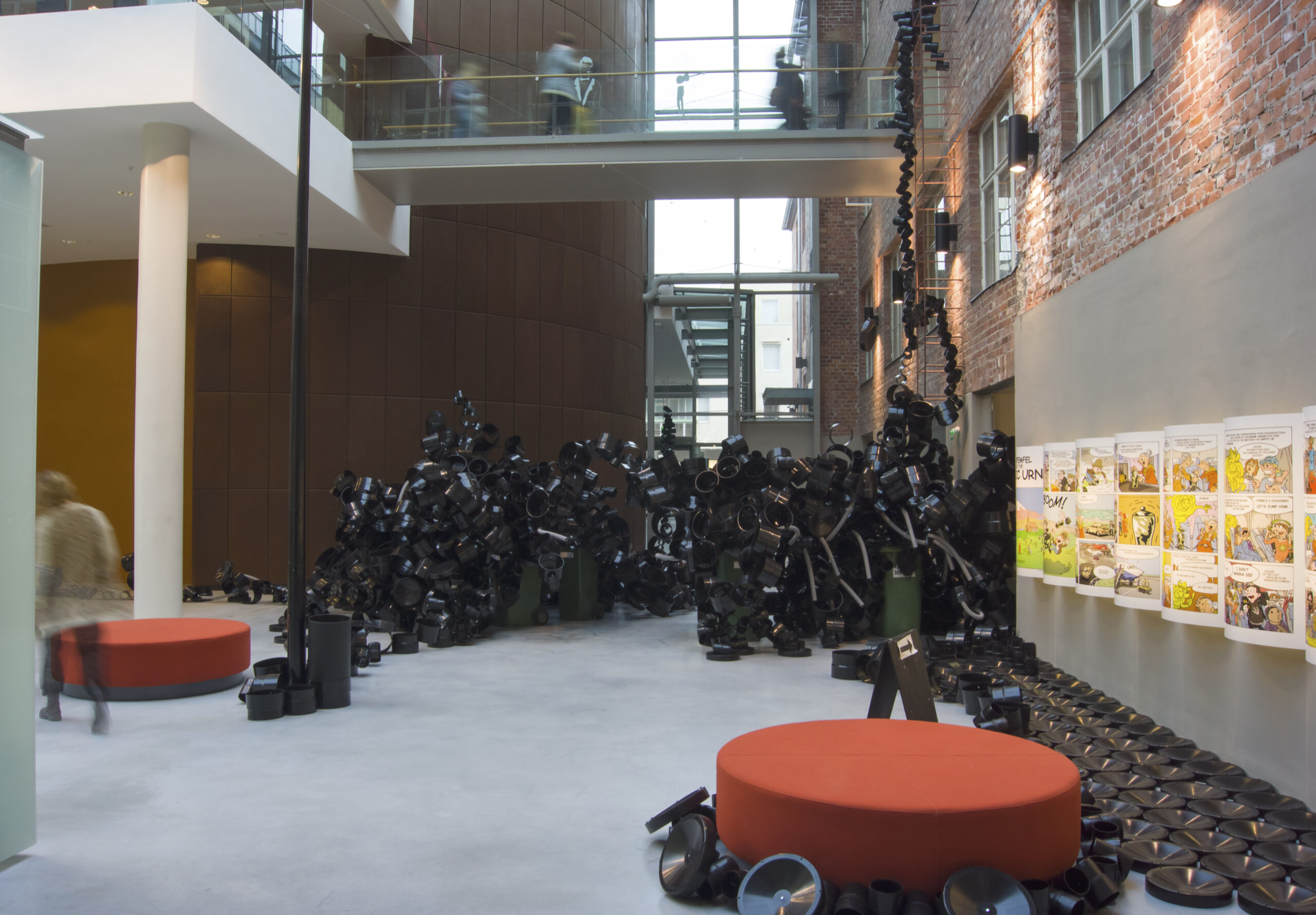
“During my residency at Björkö Konstnod, I would like to create a series of works on paper (woodcuts, among others) and sculptures that depict a fictional estate left behind by an anonymous person, incorporating death rituals from different cultures as well as contemporary questions.
When my grandmother passed away in the summer of 2014, the family reunited in the well‑preserved terraced house in Täby that had played a central role during my childhood summers. Painfully, we were reminded that not only had a beloved person irreversibly disappeared, but also the house and almost all of her belongings, to which we had developed a strong emotional attachment over the years. An idyllic place had been transformed into a deceased person’s estate. That was when the idea was born to artistically process this experience and the resulting emptiness from a more general perspective.
I want to explore both the sentimental impact of personal objects in physical space and the modern digital estate that shapes memory culture 2.0, which gives rise to a number of follow‑up questions: How should we relate to our relatives’ social media posts and accounts without having access to their passwords? What happens to all the traces stored in cloud services? How do we engage with these testimonies and collections that do not exist in a physical place? How should wills be formulated in the digital era, when relatives may want access to personal data? What do we actually want to leave behind, and what role can conscious ‘death cleaning’ play? How should we manage digital life’s work in the form of selfies, blogs, posts, various accounts, films, music collections, messages, email conversations, and so on?”